Precise Precious Metal Analysis
The value of every settlement we issue is only as reliable as the analysis behind it. We apply certified laboratory methods to every batch we process, and we provide the full analytical report before any settlement figure is confirmed.
Analysis as the Foundation of Every Settlement
Certified methods, documented results, independent verification available on request.
The analysis of precious metals in your material is the basis for a transparent and fair settlement. Depending on the material type and processing model, different analytical methods are applied. Our laboratory team combines long-standing technical expertise with precision instrumentation to deliver reliable results on every batch. Representative samples are extracted during processing through controlled homogenisation and splitting procedures. Each sample is then prepared and analysed using the method appropriate to the material — X-ray fluorescence analysis, wet-chemical analysis by ICP-OES, or carbon and sulphur determination. You receive the full analytical report before any settlement figure is confirmed.
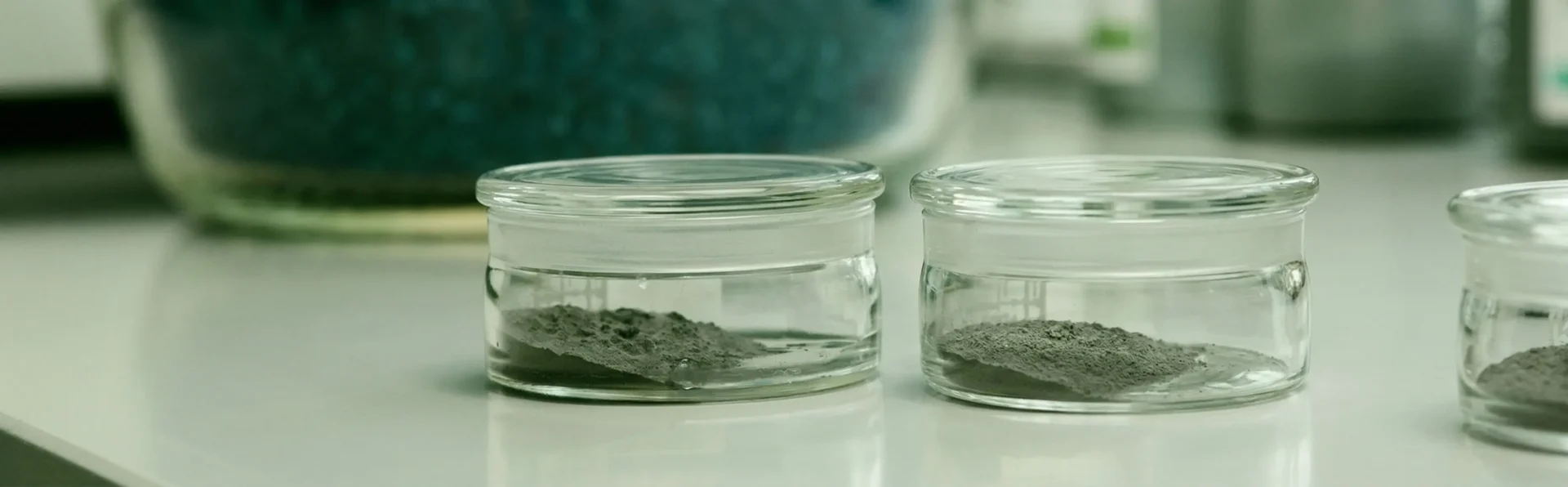
XRF. X-Ray Fluorescence Analysis
X-ray fluorescence analysis is one of the most frequently used methods for determining the composition of a material sample. After processing, the finely ground homogeneous powder is pressed into tablet form with a binding agent. The composition of the sample is then determined quantitatively and qualitatively using X-rays.
XRF results are available within a short timeframe after processing — making this method well suited to fast settlement arrangements and advance payment situations where a preliminary valuation is needed before the full ICP-OES analysis is completed.
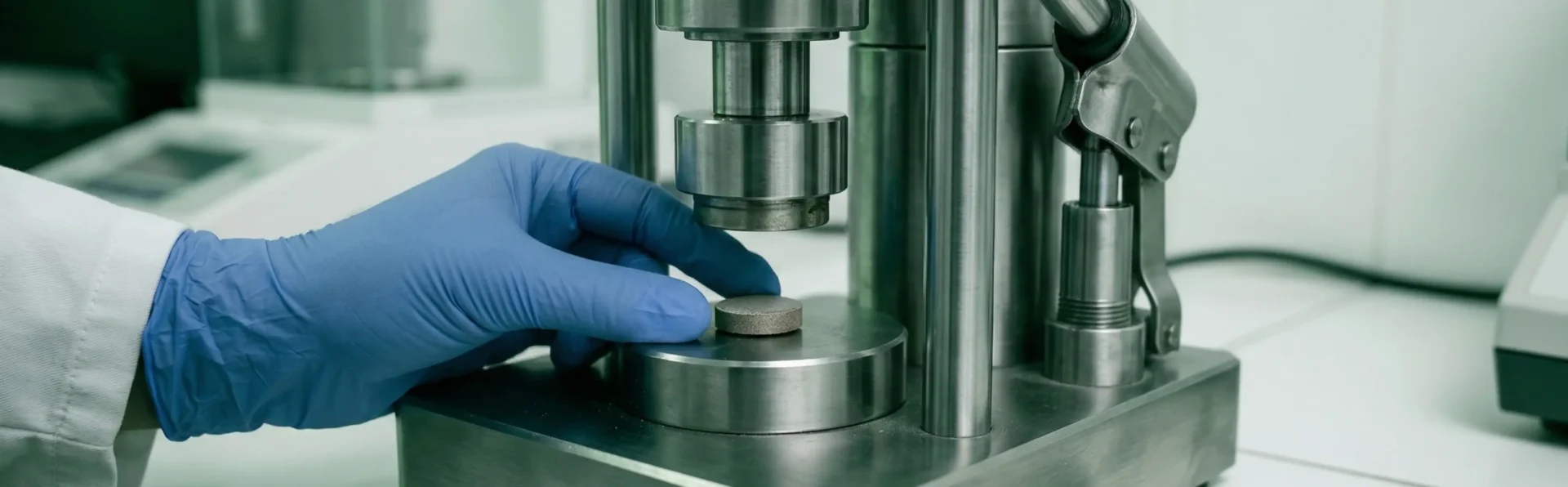
ICP-OES. Wet-Chemical Analysis
Precious metal content can be determined with high accuracy using wet-chemical analysis by ICP-OES — inductively coupled plasma with optical emission spectrometry. The homogeneous powder sample is dissolved into a liquid solution. The elements contained in the solution are then separated and identified using a plasma flame, and their emission spectra are measured by the optical spectrometer.
ICP-OES is the primary settlement-grade analysis method for toll refining arrangements. It delivers a higher level of precision than XRF and is accepted as the definitive basis for settlement across the precious metals industry. Precious metal concentrations are calculated against calibrated certified reference standards.
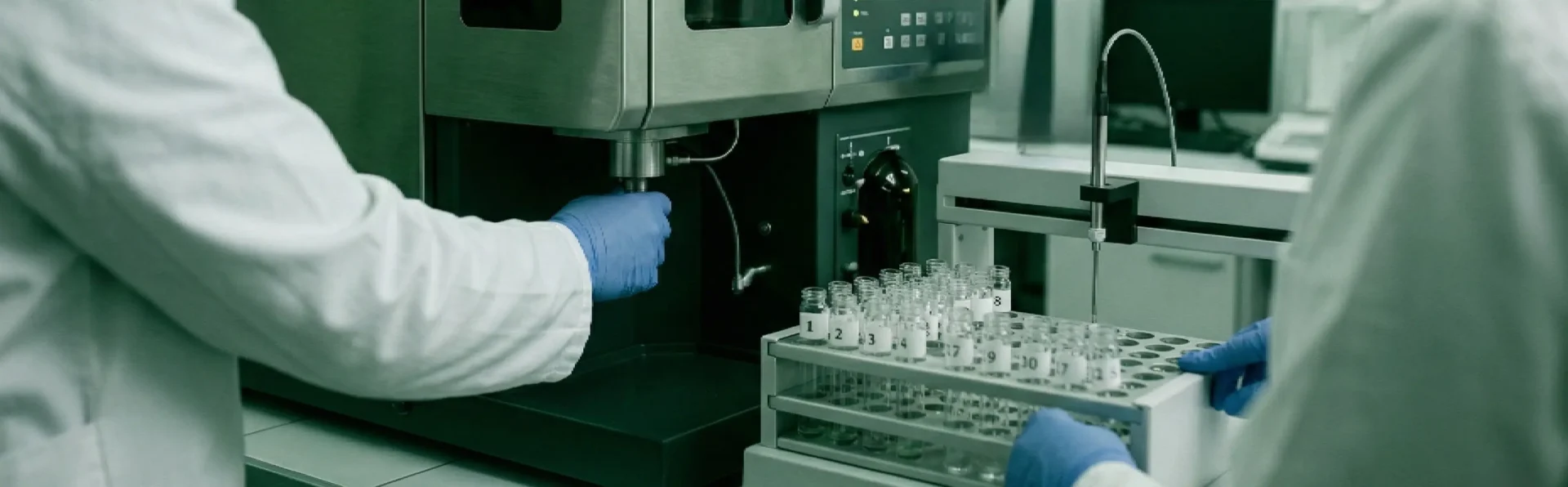
Sulphur and Carbon Analysis
The separate determination of organic and inorganic carbon allows us to identify the presence of carbides in the material, a critical factor for processing catalytic converters and diesel particulate filters where silicon carbide content determines the smelting route required. This analysis is also used to determine sulphur and organic carbon compound loads in carrier materials. The results define whether a material is suitable for a standard reducing smelting process or requires an oxidising route, and allow us to calculate the correct aggregates for the plasma smelting furnace. Correct classification at this stage protects both the yield and the processing efficiency.