Our Technology
Precision processing and certified analysis. The technical foundation of every settlement we execute.
Efficient Technology for Precious Metal Recovery
Built on precision, driven by continuous improvement.
We aim to continuously improve our processes and to be the partner of choice for the recovery of precious metals from industrial waste streams. We monitor developments in processing technology, analytical methods, and regulatory requirements — and we respond to changes in these areas not as obstacles, but as opportunities to refine our service.
Our operations are characterised by a commitment to process reliability and measurable precision. Our team continuously develops their technical knowledge, optimises sampling and analysis procedures, and applies that expertise directly to the value calculation of every batch we process. The result is a settlement figure you can defend internally — because it is based on certified methods, not estimates.
Reliable Sampling
Sample preparation is one of our most critical core competencies. Every step in our homogenisation and sampling process meets clearly defined procedural standards — and every result can be reproduced and independently verified.
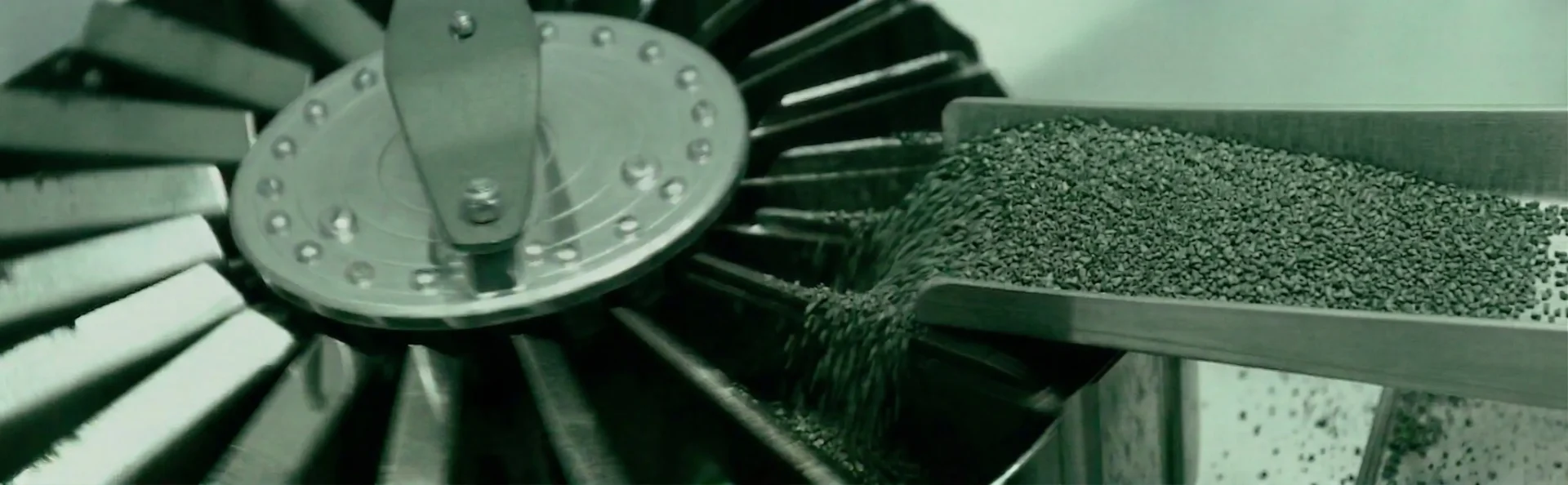
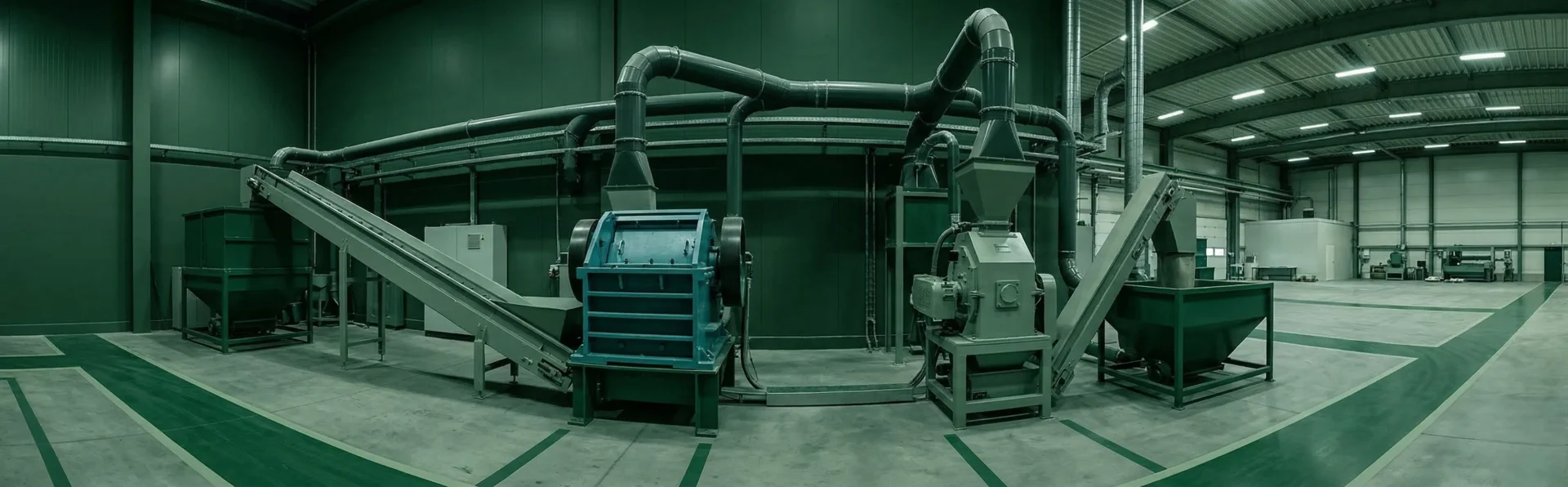
The entire incoming batch is reduced to a fine, homogeneous powder through controlled crushing and milling. A representative sample — typically around 100 grams — is then extracted using a rotary riffle splitter and analysed in our laboratory to determine its precious metal content. This 100-gram sample is representative of several tonnes of material. The method is the same used by leading international refineries and accepted as settlement-grade by global commodity markets.
A reference portion of the divided sample is retained throughout the settlement process — available for independent re-analysis at the client’s request.
Technical Support
We see our relationship with corporate clients as a long-term operational partnership — not a transactional arrangement. We are always available to support you with our experience in the processing of precious metal-bearing waste streams, our technical knowledge of material classification and analysis, and our commitment to process reliability at every stage.
As a partner of Suran Recycling, you benefit from direct access to our processing and analytical expertise. Whether you need support in classifying your material streams, understanding your settlement documentation, or preparing your operations for compliance audits — our team is available to assist. Contact us for more details.
Questions & Answers
What analytical method does Suran Recycling use to determine precious metal content?
We use fire assay as our primary analytical method for platinum group metals and gold — the same method used by international refineries and accepted by commodity markets worldwide. ICP-OES is applied as a complementary method for multi-element verification. Clients receive the full analytical report, including methodology details, before any settlement is confirmed.
What is fire assay and why is it the standard for precious metal analysis?
Fire assay is a gravimetric analytical method in which a sample is fused at high temperature with collecting fluxes, and the resulting precious metal bead is physically weighed on a precision analytical balance. Because the result is based on direct weight measurement rather than instrument signal interpretation, it is independent of calibration drift and matrix interference effects — making it the most reliable method for settlement-grade precious metal analysis.
How does Suran Recycling ensure that a small analytical sample represents a large batch?
Representative sampling is achieved through controlled homogenisation — reducing the entire batch to a fine, uniform powder — followed by rotary riffle splitting, which divides the powder into statistically equal sub-samples. This process eliminates sampling bias and ensures that the analytical sample accurately reflects the average precious metal content of the full batch.
Can I request an independent analysis of my material?
Yes. Clients may arrange for a split sample — a portion of the divided analytical sample — to be sent to an independent laboratory of their choice for parallel analysis. This is a standard due diligence option and does not affect the settlement timeline for the primary analysis. Contact our team to include split sample arrangements in your contract.
What happens to the reference sample after settlement?
A reference sample is retained by Suran Recycling for a defined period after settlement is completed. During this period, the retained sample is available for re-analysis in the event of a dispute. After the retention period, samples are disposed of in accordance with our environmental management procedures.


